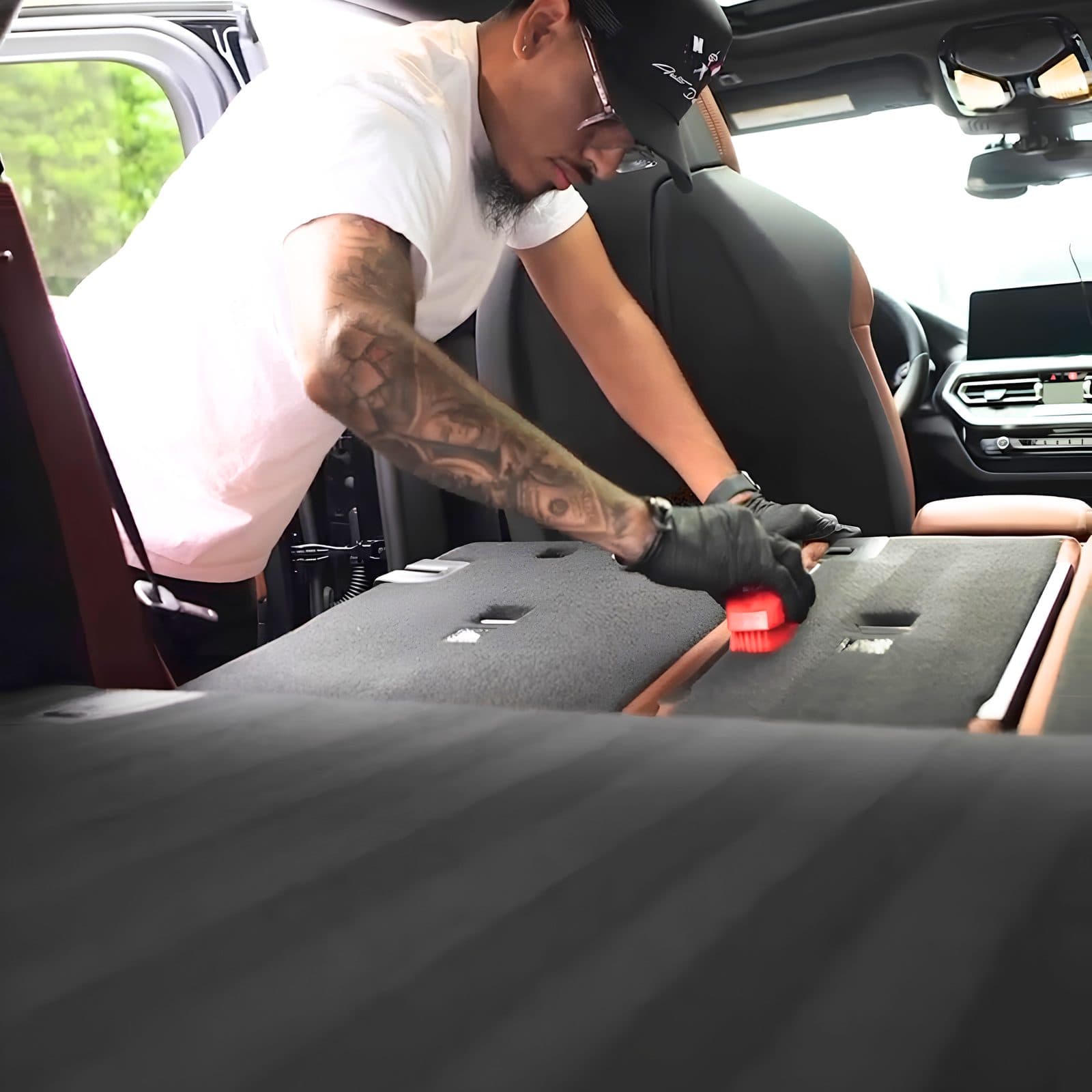
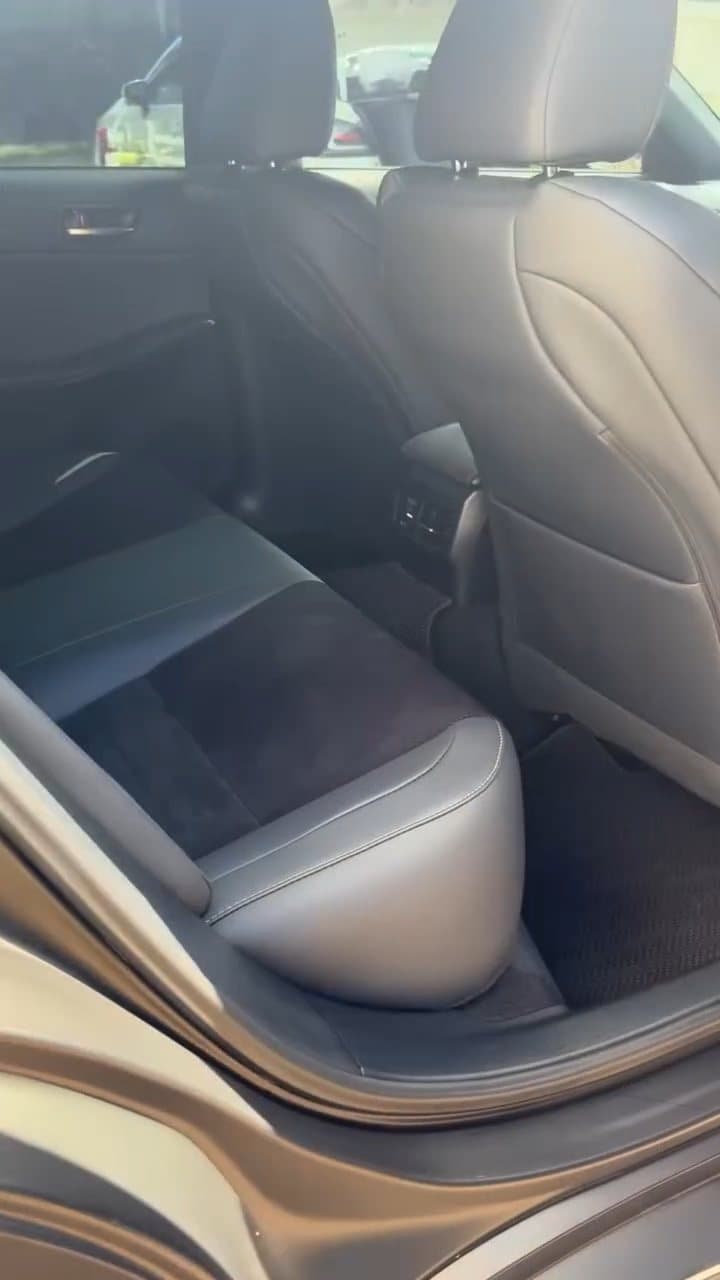
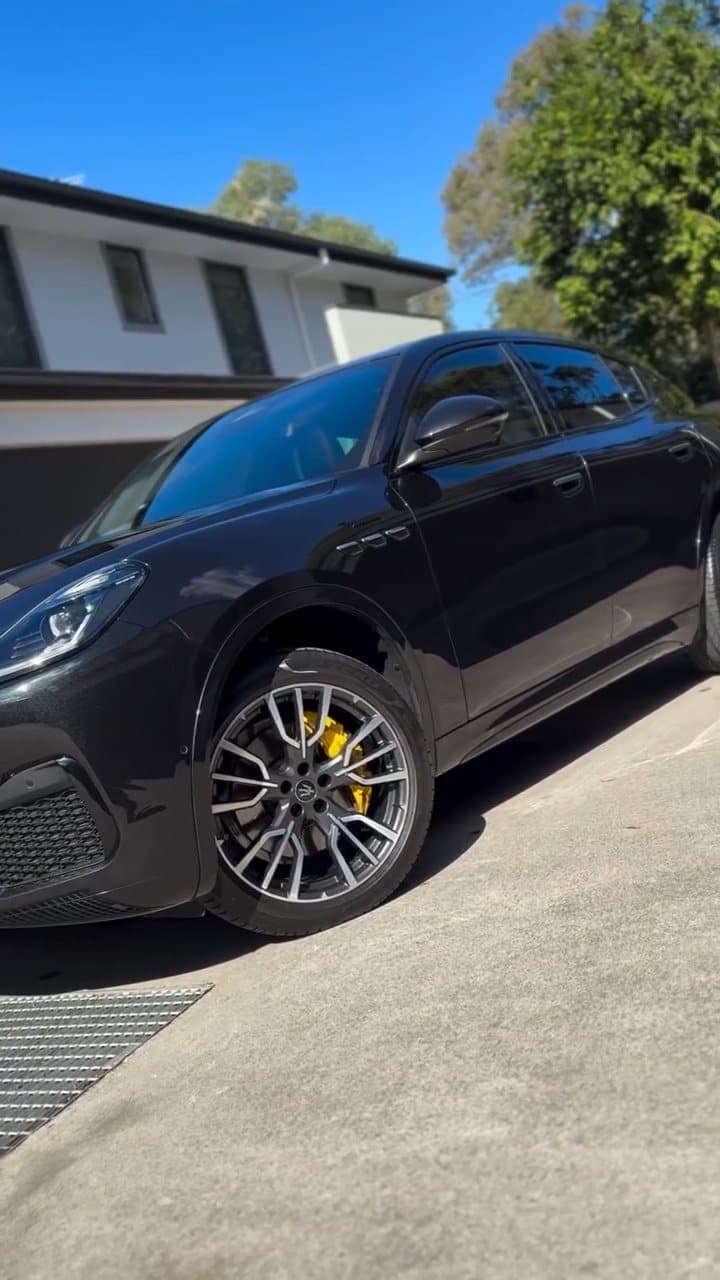
Car Detailing
How Often Should You Get Your Car Detailed
There is no single answer that suits every car. Where it parks, how far it drives and whether the paint is protected all move the number, and here is how to work out yours.
By Alofaina Leaga6 Minute Read
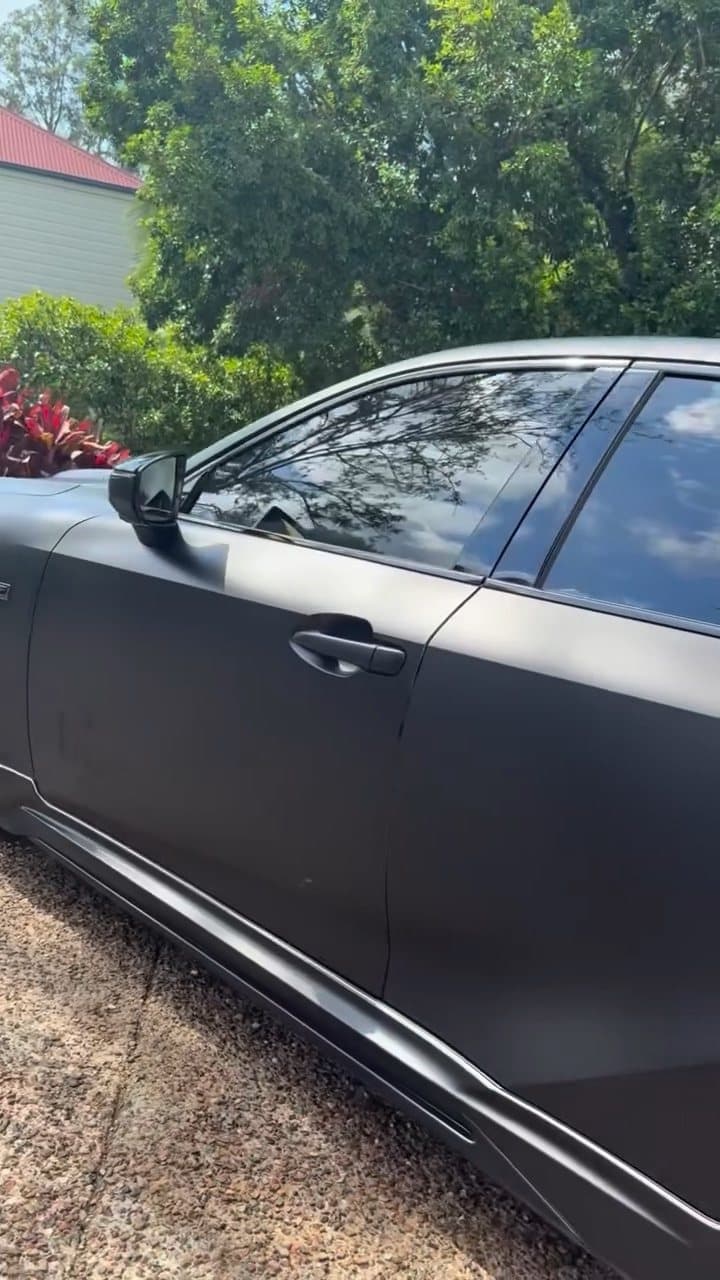
Most people ask this question expecting a number, and the honest answer is that the number depends on your car and how you use it. A garaged weekend car and a ute parked under a gum tree on a job site do not need the same schedule.
What follows is how to work out your own interval, rather than a rule that suits nobody in particular.
What Actually Drives The Interval
Four things decide how quickly a car falls away from the condition it was handed back in.
Where It Parks
A car that lives in a garage is protected from the two things that do most of the damage in Brisbane: constant sun and whatever lands on it overnight. A car parked on the street or under trees collects sap, droppings and dust continuously, and every one of those has a clock on it before it starts to etch.
How Far And Where It Drives
Highway kilometres mean bug residue and tar. Coastal driving means salt carried in the air settling on paint and holding moisture against it. A car doing short suburban trips picks up far less of both.
Whether The Paint Is Protected
This is the biggest variable. Bare paint holds onto contamination and makes every wash harder work. A protected surface releases dirt far more readily, which stretches the interval considerably. That is the main practical argument for ceramic coating in Brisbane: not that the car stops getting dirty, but that keeping it clean stops being a battle.
What You Do Between Visits
A car washed properly at home between details holds its condition far longer than one run through an automatic wash with spinning brushes. Those brushes are where a large share of swirl marks come from.
A Realistic Starting Point
Use these as a starting position, then adjust based on what your car actually looks like at the end of the period.
- Garaged, low kilometres, protected paint: a maintenance detail a couple of times a year is usually enough.
- Garaged daily driver: every three to four months keeps it comfortably ahead.
- Parked outside, daily driver: closer to every three months, because contamination is landing on it constantly.
- Parked under trees or near the coast: more often again, and worth protecting properly so the work between visits is manageable.
- Work vehicles and utes: driven by how hard they are used rather than the calendar.
The Signs You Have Left It Too Long
Regardless of the calendar, the car will tell you. Watch for these.
- The paint feels rough or gritty when you run a clean hand over it after washing. That is bonded contamination.
- Water no longer beads and instead sheets flat across the panel.
- The finish looks hazy in direct sun even though the car is clean.
- Marks that used to wash off now need scrubbing.
- The interior has a smell that does not go after a vacuum.
The first two are contamination and worn protection, and a detail resolves both. The third is usually swirl marks in the clear coat, which needs professional paint correction rather than another wash.
Why Regular Beats Occasional
A car detailed on a sensible cycle needs less work each visit, because nothing has had time to bond, etch or set. A car detailed once every few years needs decontamination, correction and a full reset, which costs more and takes longer.
The other reason is that damage compounds. Contamination left on paint long enough etches into it, and etching is a correction job rather than a cleaning job. Staying ahead of that is almost always cheaper than catching up on it.
Work Out Your Own Interval
Alofa works mobile across Brisbane and from the Mango Hill studio, and he will give you a straight answer about what your car actually needs rather than the most expensive option on the list. Send through your vehicle and where it parks and he will tell you what interval makes sense.