Paint Correction
Paint Correction Versus Polishing
The terms get used interchangeably, including by detailers. They describe genuinely different levels of work, and the gap between them is worth understanding.
By Alofaina Leaga5 Minute Read
These two words get used as though they mean the same thing, including by people in the trade. They describe different levels of work with different outcomes, and knowing the difference stops you paying for one and expecting the other.
Polishing
Polishing is refining a surface to improve gloss and clarity. It uses a fine abrasive to smooth the very top of the clear coat, which lifts reflectivity and removes the lightest marring.
A polish on a car in decent condition makes a genuine, visible difference. It is quick, it removes almost no clear coat, and it suits a well kept car that has lost a little sharpness.
What it will not do is remove established swirl marks. There is not enough cut in a finishing polish to reach the bottom of those scratches.
Correction
Correction is the removal of defects. It uses more aggressive abrasives and a deliberate process to cut the clear coat down past the bottom of the scratches, then refine the surface back to full clarity.
It takes considerably longer, removes measurably more clear coat, and is the only thing that genuinely removes swirls rather than reducing how visible they are.
Where Cut And Polish Fits
Cut and polish is the older Australian term and usually describes a single cutting stage followed by a polish. It sits between the two, and how much it achieves depends entirely on how it is done.
The important question is not what it is called but what is being removed and whether the surface is refined properly afterwards. A cut without a proper refining stage leaves holograms behind, which is worse than where you started.
How To Tell What You Need
Wash and dry the car, then look at the bonnet in direct sunlight, moving your head so the reflection sweeps across it.
- Sharp reflections with only a slight loss of crispness: a polish is likely enough.
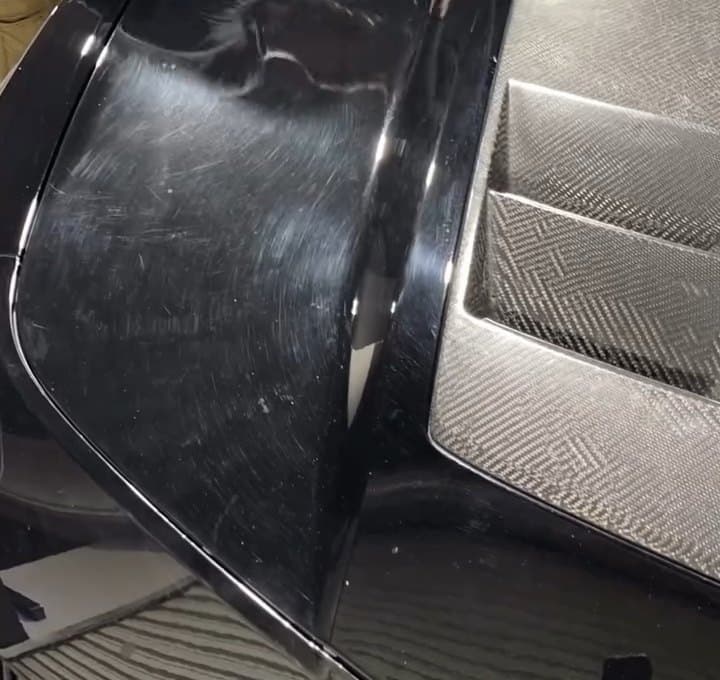
- Fine circular scratches visible in the reflection: that is swirling, and it needs correction.
- Straight parallel lines: holograms from previous machine work, which needs correcting properly.
- Reflections that look cloudy or milky overall: heavier correction territory.
- Flat, chalky paint with no reflection at all: possible clear coat failure, which correction cannot fix.
Why It Matters Before A Coating
If you are having the car coated, this decision has consequences. A coating is clear and seals in whatever is underneath for years, so a polish that leaves the swirls in place locks them in.
That is why a two stage correction is the usual standard before ceramic coating in Brisbane. It is the finish you will be looking at for a long time.
Get It Assessed Properly
Alofa inspects paint under proper lighting and shows you what is actually there before quoting anything, including telling you when a polish is all your car needs. Send it through.